


Summary
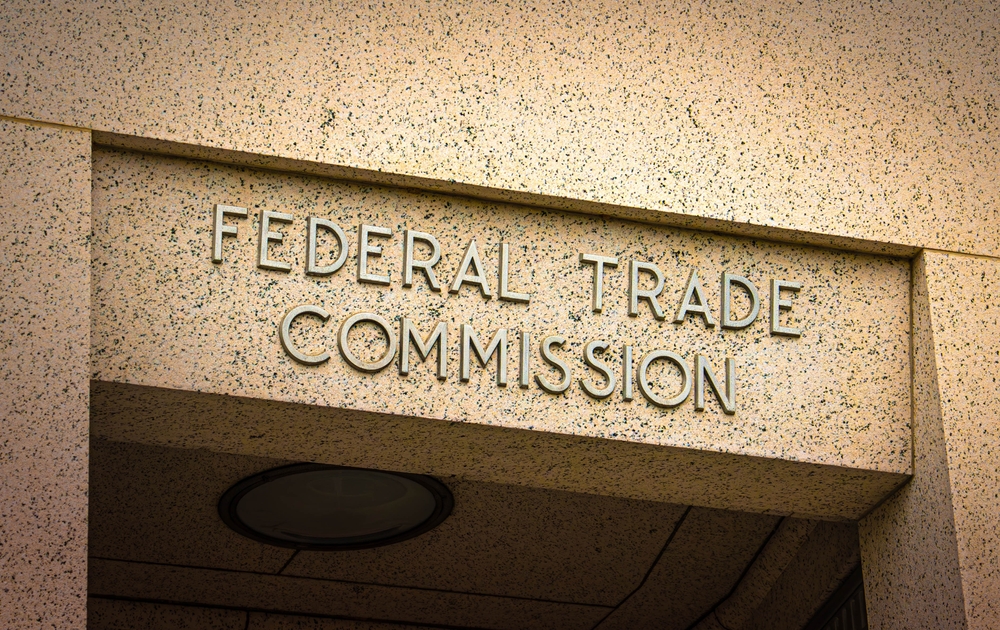
The Federal Trade Commission announced it has finalized changes to the Health Breach Notification Rule (HBNR) that will strengthen and modernize the rule by clarifying its applicability to health apps and other similar technologies and expanding the information that covered entities must provide to consumers when notifying them of a breach of their health data.
Modifications to the regulation
- Updating Definitions: The Commission has updated several definitions to emphasize the applicability of the final rule to health apps and similar technologies not governed by HIPAA. This includes altering the definition of “PHR identifiable health information” and introducing new definitions for “covered health care provider” and “health care services or supplies.”
- Specifying Security Breaches: The rule now specifies that a "breach of security" encompasses unauthorized access to identifiable health information, whether through a data security incident or unauthorized disclosure.
- Amending the Definition of PHR Related Entity: The definition of “PHR related entity” has been refined in two significant ways relevant to the rule’s scope. It now specifies that the rule applies to entities that provide products and services via the online services of personal health record vendors, including mobile apps. It also restricts the definition to entities that access or transmit unsecured PHR identifiable health information to a personal health record.
- Clarifying Information from Multiple Sources: The rule clarifies the criteria for a personal health record to incorporate PHR identifiable health information from various sources.
- Enhancing Electronic Notifications: The final rule permits broader use of email and other electronic methods for sending clear and effective breach notifications to consumers.
- Broadening Notice Requirements: The content required in consumer notifications has been expanded. Notices must now include either the name or a description of any third parties who obtained unsecured PHR identifiable health information due to a security breach, especially when revealing the full name poses a risk.
- Adjusting Notification Timelines: The final rule changes the timing for notifying the FTC about breaches impacting 500 or more individuals. Covered entities must now notify the FTC concurrently with affected individuals, doing so promptly and no later than 60 calendar days after identifying a breach.
- Improving Clarity and Compliance: The final rule also includes modifications to enhance clarity and facilitate compliance.
The rule takes effect 60 days after its announcement in the Federal Register.
FAQs
Our frequently questions
No items found.

Find out how iliomad can help your company.
[Map placeholder]
Only visible in production
Only visible in production
38.709099
-39.182035
1.6
6d17042a3425c5b3

October 12, 2026
Regulations & Guidelines
GDPR
LLMS
US Privacy Law
Health Data Strategy
Medical trials and AI: navigating the GDPR, EHDS and EU AI Act overlap
Legal uncertainty surrounds AI use in medical trials. Learn how GDPR, the EHDS and the EU AI Act interact and what sponsors must do to stay compliant.

October 9, 2026
Healthtech
Regulations & Guidelines
GDPR
Big Data
Health Data Strategy
AI passports and EHDS: what the CHAIN network means for health AI governance
The EU CHAIN network introduces AI Passports and federated health data models. Learn what this means for GDPR compliance, high-risk AI obligations and clinical sites.

October 8, 2026
Data Breach & Cybersecurity
Big Data
GDPR
Cybersecurity
Clinical Trials
Healthcare Data Breaches, AI Transparency and Clinical Research Standards: Weekly Digest
This week: Danish CPR breach, IQVIA Garante fine, OpenAI EU watermarking, Epic MyChart flaws, NIH funding decline and cancer trial QoL standards.
