


Summary
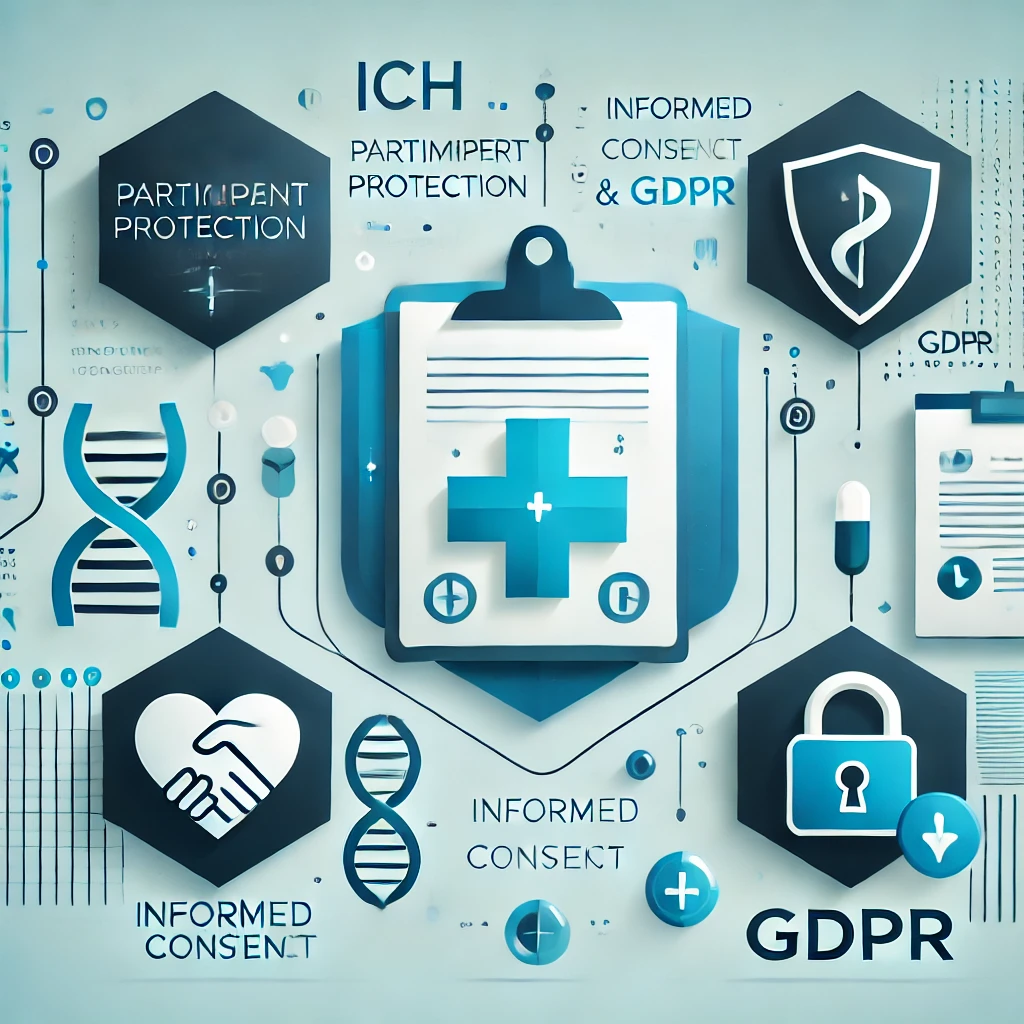
Both ICH-GCP and GDPR are essential in the realm of clinical trials, as they establish standards for protecting participants and ensuring data integrity. However, their approaches differ substantially, each with its own focus and enforcement mechanisms. Below, I outline the similarities and differences between these two frameworks and explore what clinical trial sponsors can learn from them to optimize compliance and participant protection.
Key Similarities
- Participant Consent and Protection:
- Both ICH-GCP and GDPR prioritize informed consent, ensuring participants are fully aware of how their data will be used. They share a commitment to participant protection, requiring that consent be obtained ethically (ICH-GCP) or legally (GDPR).
- For a sponsor, this similarity underscores the importance of clear and thorough consent processes. Sponsors should ensure that consent forms meet the ethical standards of ICH-GCP while also fulfilling GDPR’s legal requirements.
- Data Minimization and Purpose Limitation:
- Both frameworks emphasize collecting only the data necessary for the specific purposes of the clinical trial. They mandate that data should be used strictly for predefined purposes and not repurposed without proper justification or consent.
- For sponsors, this alignment means they should design data collection processes that focus solely on trial objectives. Sponsors should avoid over-collecting data and ensure that all data collected serves a clear, legitimate purpose. This reduces regulatory risk and enhances participant trust.
- Transparency and Accountability:
- Transparency is crucial in both GDPR and ICH-GCP, though GDPR has specific legal requirements to disclose information about data processing to participants. Accountability is also vital, as both frameworks require that parties involved in data processing take responsibility for compliance.
- Sponsors should maintain detailed records and documentation demonstrating compliance with both frameworks. This includes making information readily available to participants about data handling and taking proactive steps to manage compliance responsibilities within their organization.
- Data Integrity and Security:
- Data accuracy, integrity, and confidentiality are emphasized by both GDPR and ICH-GCP, ensuring that participants’ data is reliable and protected from unauthorized access. While GDPR enforces strict security measures, ICH-GCP also mandates data integrity as part of its ethical guidelines.
- Sponsors should adopt robust data security measures and regularly audit data for accuracy and completeness. Ensuring data integrity not only satisfies regulatory requirements but also supports reliable and valid trial outcomes.
Key Differences
- Legal Enforcement vs. Ethical Guidelines:
- GDPR is a legal framework with strict penalties for non-compliance, while ICH-GCP provides ethical guidelines specific to clinical trials. GDPR focuses broadly on data protection across all sectors, while ICH-GCP’s focus is narrower, emphasizing ethical standards within clinical research.
- For sponsors, this difference highlights the need to comply with GDPR’s legal requirements to avoid fines and penalties, while also adhering to ICH-GCP to maintain ethical standards and trial integrity. Sponsors should integrate these approaches, ensuring they meet legal obligations without compromising on ethical considerations.
- Scope of Data Processing Requirements:
- GDPR includes detailed requirements for data processing, specifying roles like Data Protection Officers (DPOs) and mandating Data Protection Impact Assessments (DPIAs) for high-risk processing. ICH-GCP does not have explicit roles for data protection officers and focuses more on clinical oversight by investigators and ethics committees.
- Sponsors may need to appoint a DPO and conduct DPIAs to meet GDPR requirements, especially for trials involving sensitive health data or cross-border data flows. While ICH-GCP doesn’t require these roles, sponsors should still ensure oversight by competent authorities to align with ethical standards.
- Data Breach Reporting and Security Protocols:
- GDPR mandates immediate data breach reporting within 72 hours, enforcing strict protocols for incident management. ICH-GCP, however, does not specify such timelines for reporting breaches, focusing instead on the overall integrity of data systems.
- Sponsors should implement GDPR-compliant breach protocols to handle any incidents swiftly. While ICH-GCP doesn’t specify breach response times, addressing incidents quickly demonstrates a commitment to participant safety and data security, aligning with both frameworks’ goals.
Implications for Clinical Trial Sponsors
Understanding the similarities and differences between ICH-GCP and GDPR can significantly benefit clinical trial sponsors in multiple ways:
- Enhanced Compliance Framework:
- By integrating both GDPR’s legal rigor and ICH-GCP’s ethical standards, sponsors can build a compliance framework that addresses both data protection and ethical considerations comprehensively. This dual approach ensures that sponsors are prepared for audits and inspections by both data protection authorities and clinical research regulatory bodies.
- Improved Participant Trust:
- Participants are more likely to trust trials that are transparent about data usage, prioritize their consent, and ensure their data is secure. By adhering to GDPR’s transparency and security requirements alongside ICH-GCP’s ethical guidelines, sponsors can enhance trust, which is essential for participant recruitment and retention.
- Risk Management and Incident Preparedness:
- GDPR’s stringent requirements for data breach reporting provide a structured approach to incident management. Sponsors can benefit from these protocols by adopting GDPR-compliant procedures that prepare them for potential data breaches, ensuring swift action that mitigates harm and complies with legal obligations.
- Clear Role Definitions and Accountability:
- While ICH-GCP does not mandate specific roles for data protection, GDPR’s requirements for DPOs and DPIAs can enhance internal accountability. Sponsors who adopt these roles, even beyond GDPR’s scope, can strengthen their oversight and ensure that data protection responsibilities are clearly defined and managed within the trial team.
- Adaptable Data Retention Strategies:
- Since GDPR enforces strict data retention limits, sponsors need to establish data retention policies that are adaptable to both GDPR’s legal requirements and ICH-GCP’s ethical standards. Developing a clear data retention schedule can help sponsors manage data securely while also adhering to trial-specific documentation requirements.
Conclusion
By understanding the intersection of ICH-GCP and GDPR, clinical trial sponsors can develop a holistic approach to data protection and ethical compliance. While GDPR provides a legally enforceable framework with strict data protection measures, ICH-GCP offers ethical guidance that ensures participant safety and research integrity. Together, these frameworks equip sponsors with the tools needed to run clinical trials that are both legally compliant and ethically sound.
Sponsors can leverage the strengths of both frameworks to create a robust compliance program that fosters trust, enhances transparency, and prioritizes participant rights. By navigating the differences and capitalizing on the similarities, sponsors can not only meet regulatory obligations but also set a high standard for clinical research practices.
FAQs
Our frequently questions

Find out how iliomad can help your company.
Only visible in production

iliomad Weekly Digest: AI Governance Failures, UK Regulatory Reform and Healthcare Cybersecurity Surge
This week: ICO becomes the Information Commission, Medicare AI prior-auth failures, FDA pilots accelerate trials, and ransomware hits 3.5 million patient records.
Data transfer compliance in global clinical trials: a sponsor's guide
Understand data transfer compliance obligations for global clinical trials under GDPR, SCCs and local frameworks. A practical guide for sponsors from iliomad.
MR-001 CNIL: what clinical trial sponsors must know about French health data compliance
Understand MR-001 CNIL obligations for clinical trial sponsors in France, from Article 32 security requirements to breach notification and cross-border data transfers.
